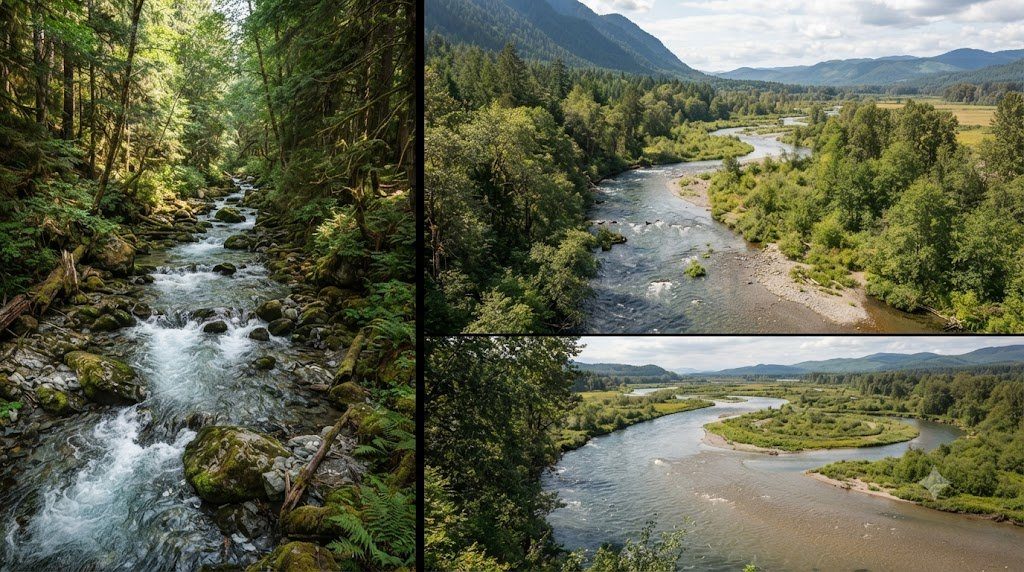
Paleolimnology and Lacustrine Sediment Coring: Diatom Stratigraphy and Historical Climate Reconstruction
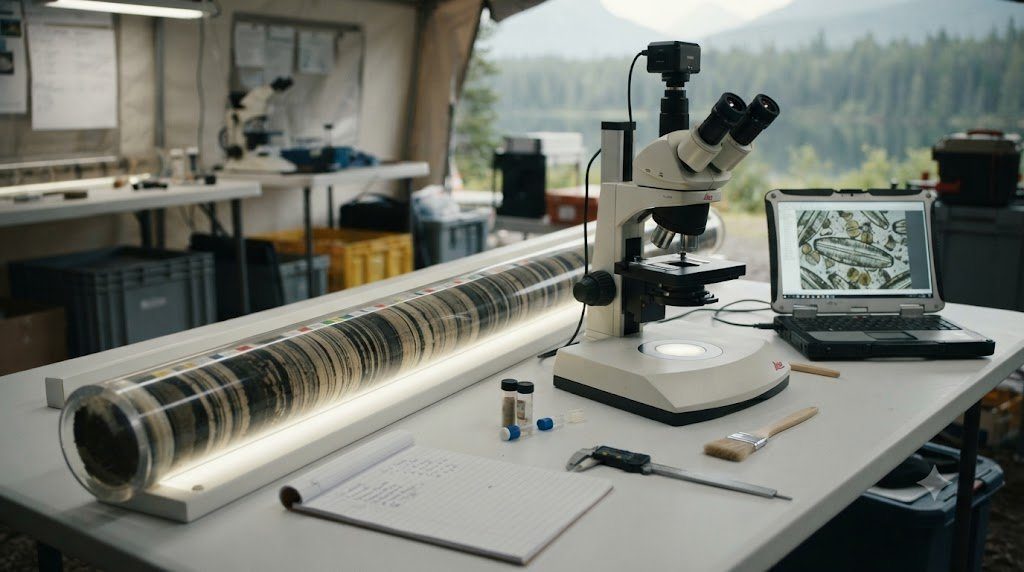
Lakes are nature’s ultimate continuous environmental archives. From the day a lake basin is gouged out by a retreating Pleistocene glacier, excavated by a volcanic caldera explosion, or cut off as an oxbow on a river floodplain, every grain of atmospheric dust, every pollen grain blown from surrounding forest canopies, and the indestructible silica shells … Read more
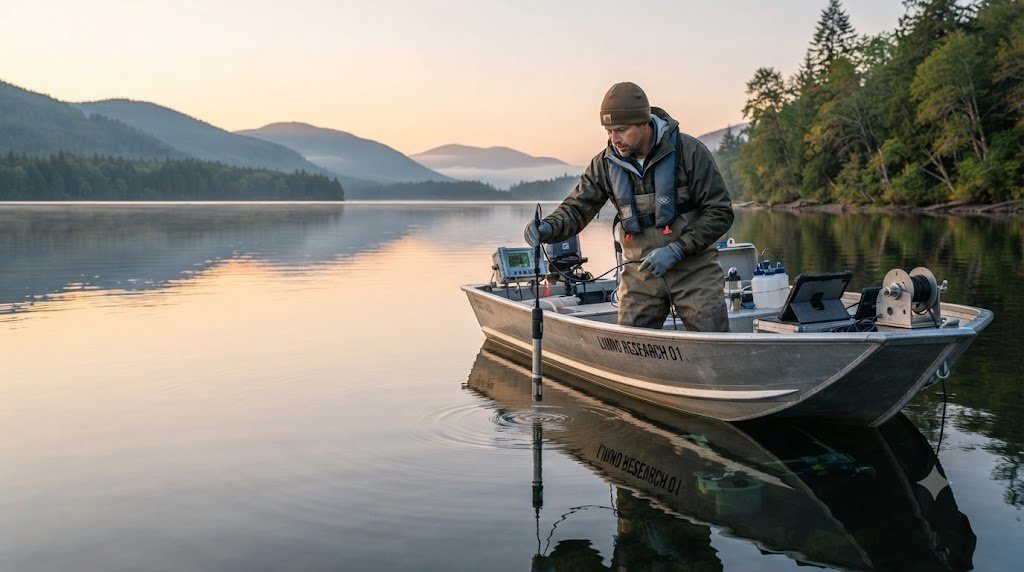
Dissolved Oxygen Profiles and Hypolimnetic Anoxia: Biochemical Oxygen Demand and Fish Kills

Of all chemical parameters measured in aquatic science, Dissolved Oxygen (DO) is the ultimate master variable. Oxygen concentration dictates the survival of aerobic aquatic organisms, governs the valence state of heavy metals and nutrients, and regulates whole-basin food webs. In terrestrial environments, oxygen availability is constant (~20.95% by volume, roughly 280 mg/L in air). In … Read more

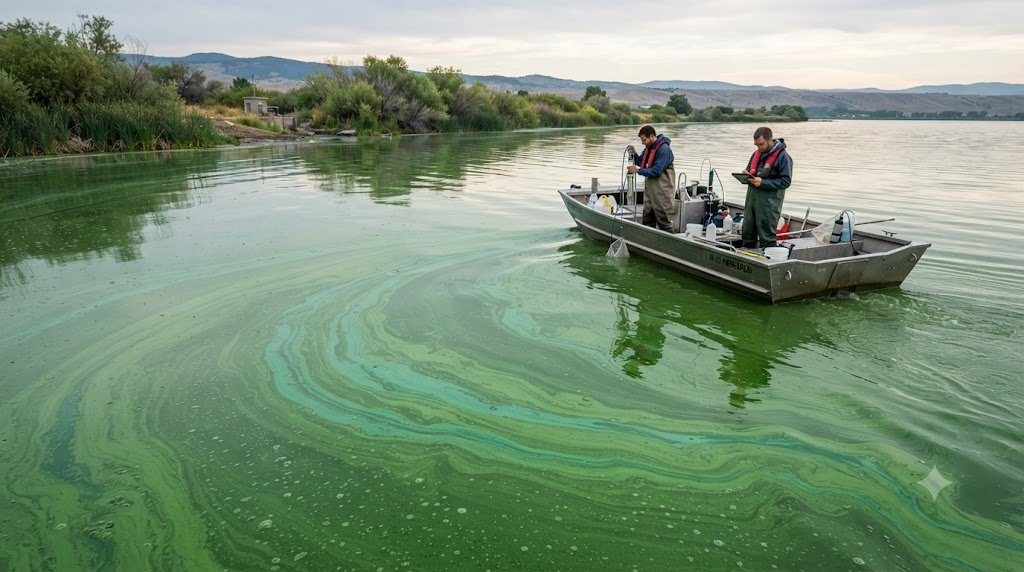
Eutrophication and Phosphorus Biogeochemistry: Internal Nutrient Loading and Cyanobacterial HABs

Across the globe, thousands of lakes that once boasted crystal-clear waters, diverse coldwater fisheries, and pristine shorelines have transformed into murky, pea-soup green cauldrons choked by toxic cyanobacterial scum. This process—cultural eutrophication—represents one of the most widespread environmental degradation crises of the Anthropocene. Driven by excessive anthropogenic inputs of bioavailable nutrients from agricultural fertilizer runoff, … Read more

Lacustrine Thermal Stratification: Epilimnion, Metalimnion, and Dimictic Turnover Kinematics

To an outside observer gazing across a tranquil lake on a hot August afternoon, the water appears as a single uniform body. Beneath that reflective surface, however, the lake is violently split into two completely isolated physical and chemical universes. Driven by the non-linear physics of water density, solar radiation, and wind kinetic shear, deep … Read more