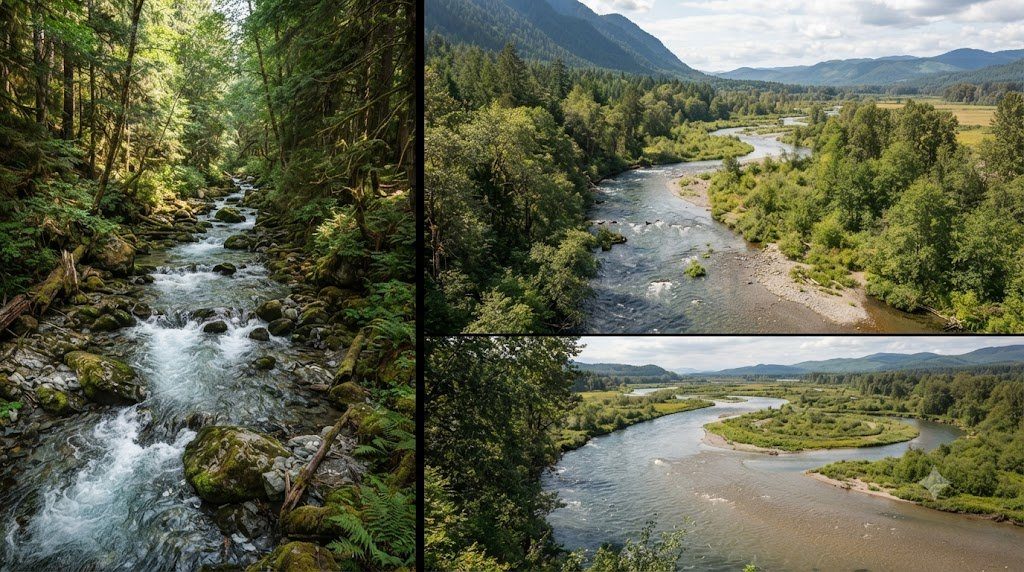
Vernal Pools and Ephemeral Wetland Hydrology: Hydroperiod Dynamics, Fairy Shrimp, and Amphibian Breeding
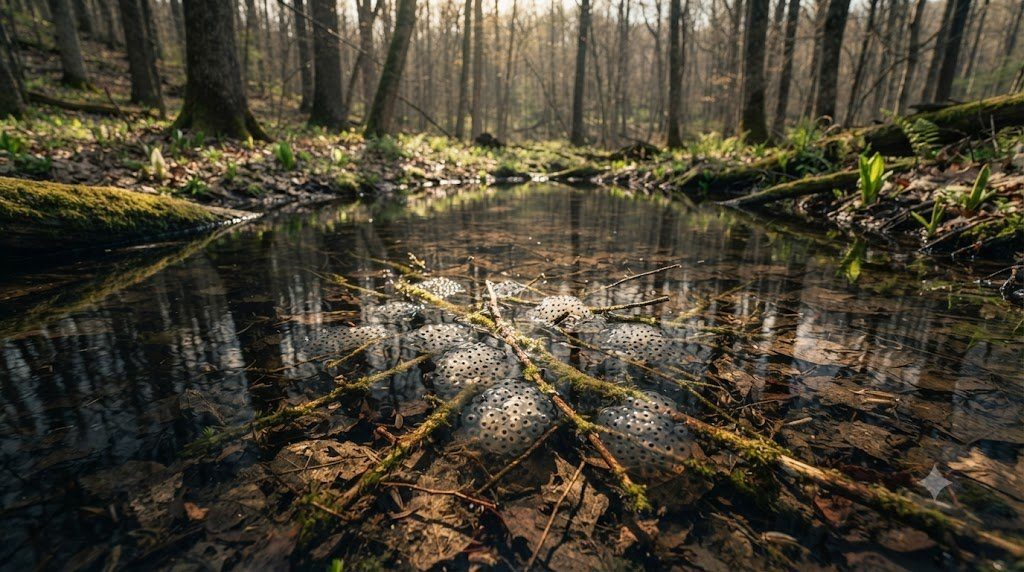
Hidden within temperate deciduous forests, Mediterranean grasslands, and pine flatwoods lie some of the most ecologically vital and hydrologically fragile freshwater habitats on the planet: Vernal Pools (Ephemeral Seasonal Wetlands). Filled by winter snowmelt, early-spring rains, and rising seasonal groundwater tables, vernal pools reach peak volume in April and May, only to completely desiccate into … Read more
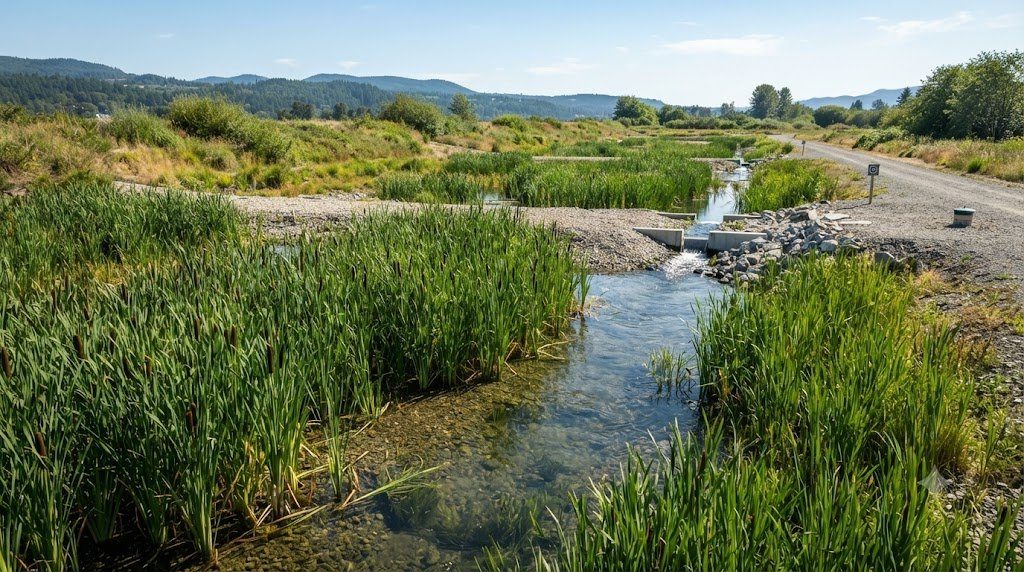
Constructed Treatment Wetlands: Subsurface Gravel Beds, Emergent Macrophytes, and Phytoremediation

As municipal wastewater treatment plants and industrial facilities face escalating chemical costs, energy demands, and strict nutrient discharge limits, civil engineers and aquatic limnologists have increasingly turned to nature’s most sophisticated biofilter: Constructed Treatment Wetlands (CTWs). Rather than relying on energy-intensive mechanical blowers and synthetic chemical coagulants, engineered wetlands harness the synergistic interactions of hydraulic … Read more

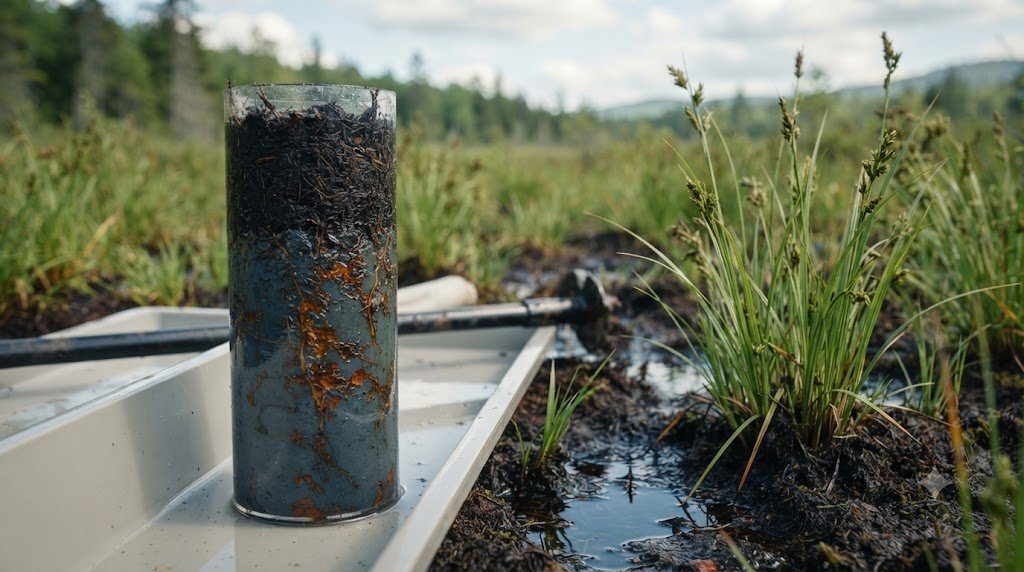
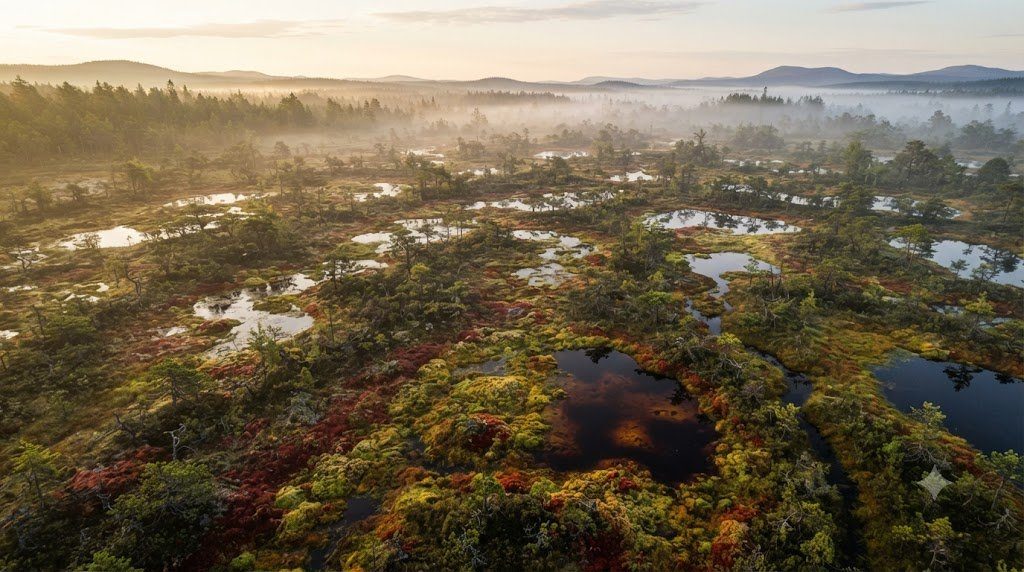
Peatland Limnology and Sphagnum Ecology: Carbon Sequestration, Bogs, and Hydrological Buffers

Covering merely 3% of the Earth’s terrestrial land surface, peatlands (mires) represent the undisputed heavyweight champion of global terrestrial carbon sequestration. Remarkably, these waterlogged, sponge-like ecosystems store over 550 to 600 gigatons of carbon—more than twice the carbon stored in the entire combined biomass of all the world’s forests! From the vast boreal peat basins … Read more

Hydric Soils and Anaerobic Redox Sequences: Iron Reduction, Methanogenesis, and Wetland Delineation

Wetlands occupy the dynamic ecotone between purely terrestrial landscapes and permanently inundated open waters. For centuries, civil engineers and agriculturalists viewed wetlands as mosquito-infested wastelands requiring drainage, ditching, and filling. Today, ecological science recognizes palustrine and riverine wetlands as Earth’s premier natural biofilters, carbon sinks, and flood-attenuation reservoirs. Yet legally defining where an upland ends … Read more