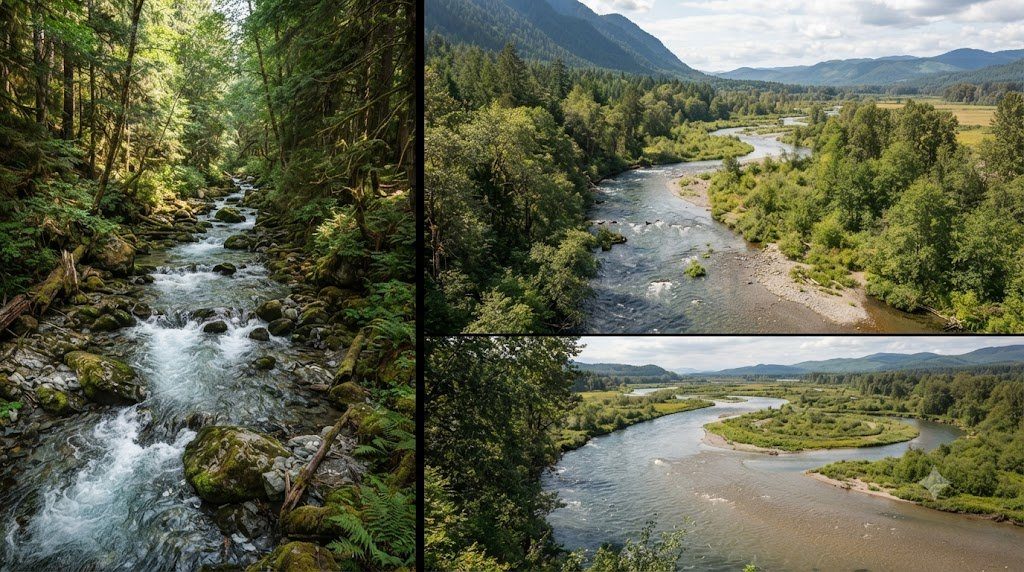
Freshwater Environmental DNA (eDNA) Surveillance: Cryptic Species Detection, Invasive Vectors, and Biodiversity Barcoding
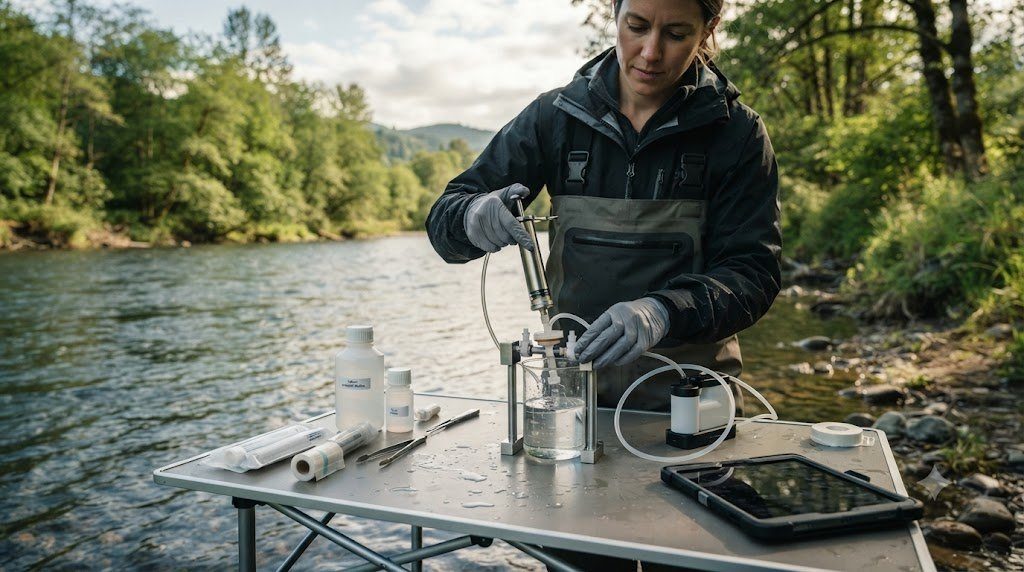
For over a century, cataloging the biodiversity of freshwater ecosystems required intensive, destructive, and physically demanding field surveys: dragging heavy bottom-trawls across lake beds, setting gill nets that kill fish, shocking mountain streams with backpack electrofishers, and spending weeks peering through stereomicroscopes trying to identify mutilated insect larvae. Yet despite exhaustive effort, cryptic, rare, endangered, … Read more
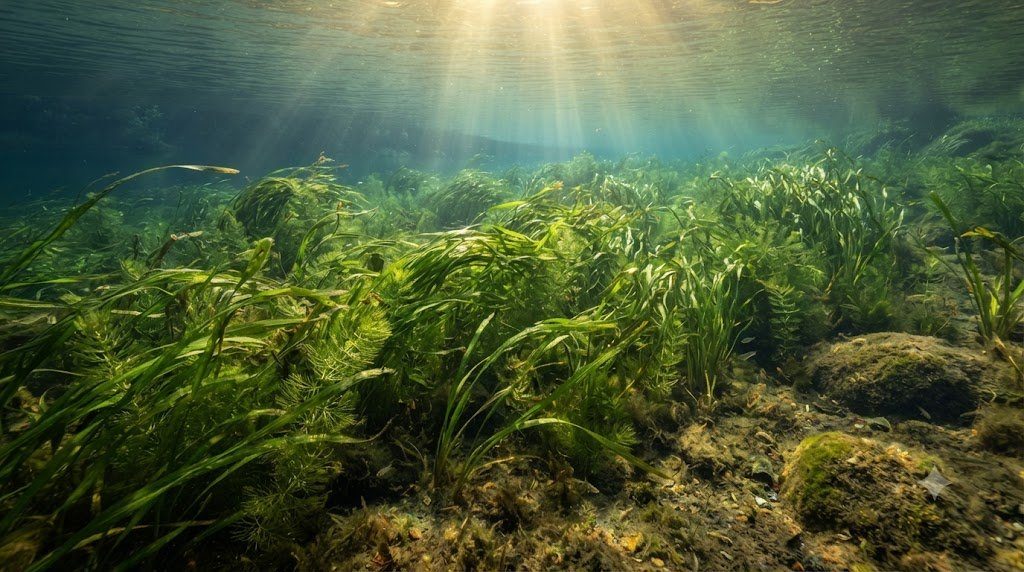
Submerged Aquatic Vegetation (SAV) Ecology: Macrophyte Zonation, Nutrient Assimilation, and Littoral Refugia

The littoral zone of freshwater lakes and slow-moving rivers is not an empty water column; it is a structural underwater forest engineered by Submerged Aquatic Vegetation (SAV, or true aquatic macrophytes). Unlike microscopic phytoplankton drifting freely in the pelagic sun, submerged macrophytes are complex, multicellular vascular plants (alongside macroscopic charophyte green algae) rooted directly into … Read more

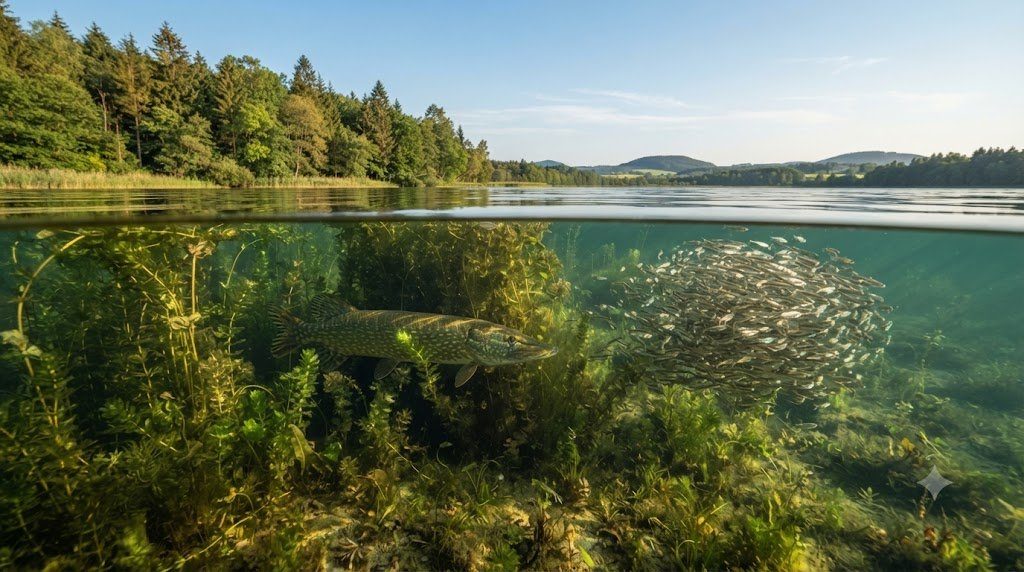
Freshwater Trophic Cascades and Microbial Loops: Phytoplankton, Zooplankton, and Apex Piscivore Interactions

For decades, aquatic ecology operated under the assumption that the biological productivity and water clarity of lakes were governed strictly from the bottom up—dictated solely by the availability of solar energy and dissolved nutrients (the Bottom-Up Resource Regulation Model). However, in 1985, Dr. Stephen R. Carpenter and his colleagues at the University of Notre Dame … Read more

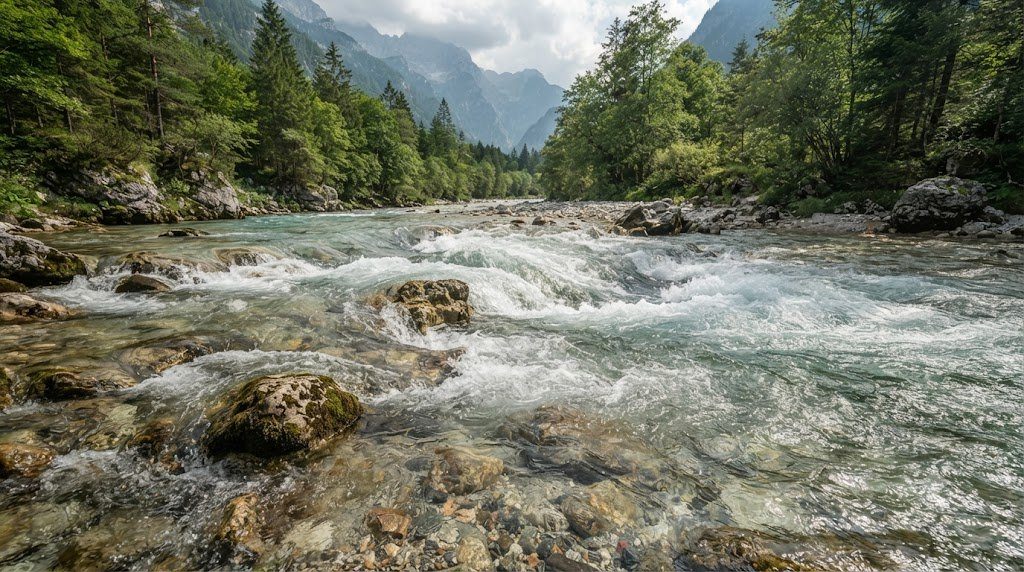
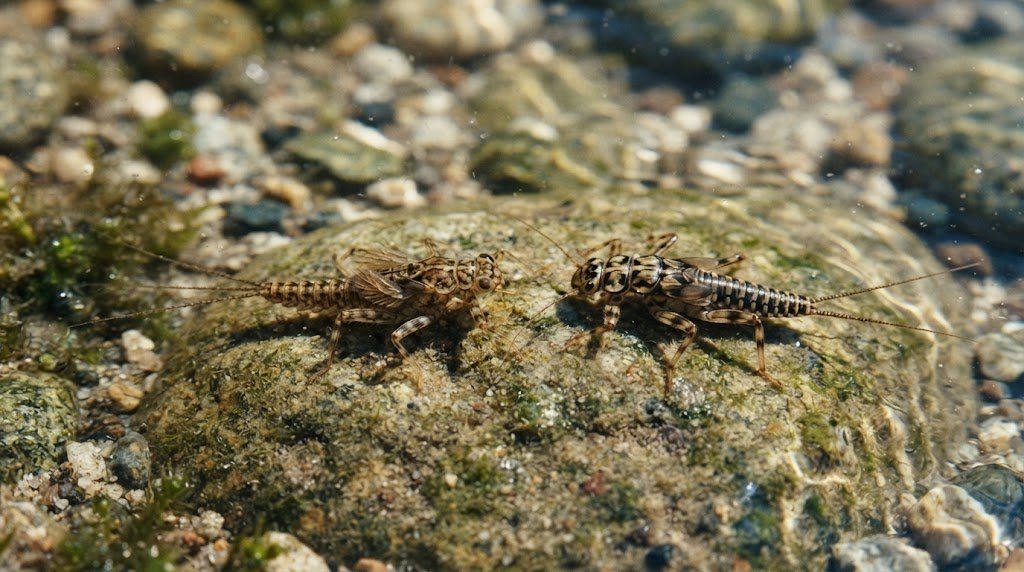
Benthic Macroinvertebrate Bioindicators: EPT Index, Hilsenhoff Biotic Index, and Water Quality Scoring

When an environmental technician collects a grab water sample from a river on a Monday morning and sends it to a chemistry laboratory, the resulting data represents only a single, instantaneous snapshot in time. If an industrial plant dumped a slug of toxic chemicals at midnight on Sunday, Monday’s water chemistry test will frequently read … Read more

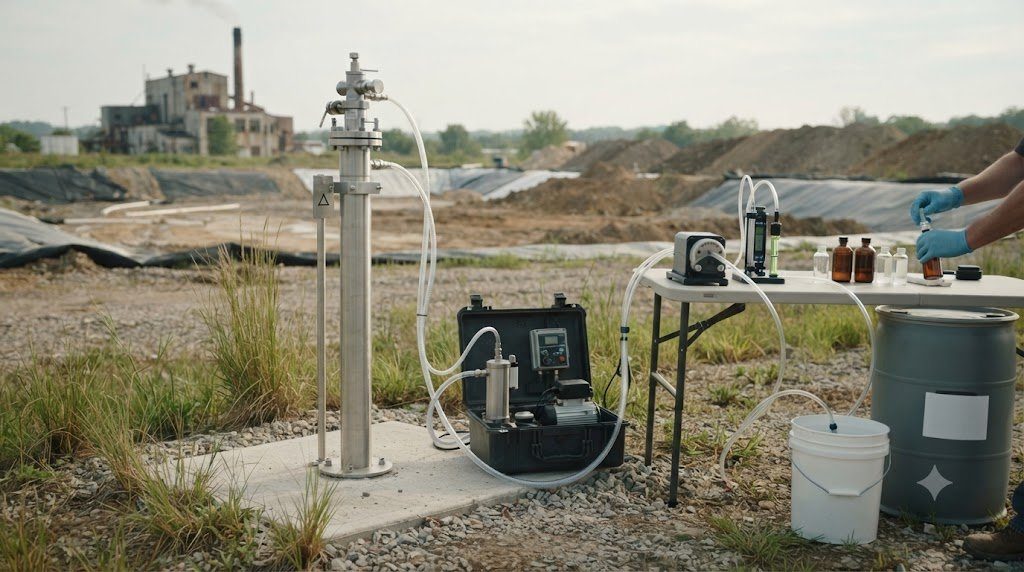
Groundwater Contamination Hydrogeology: Leachate Plumes, Dense Non-Aqueous Phase Liquids, and Bioremediation

Once a chemical contaminant breaches the land surface, enters the unsaturated vadose zone, and dissolves into a groundwater aquifer, an environmental catastrophe begins in near-total darkness. Because groundwater moves slowly and lacks sunlight and atmospheric exposure, natural dilution and biological breakdown are severely attenuated. A single 55-gallon drum of chlorinated industrial solvent leaked into an … Read more

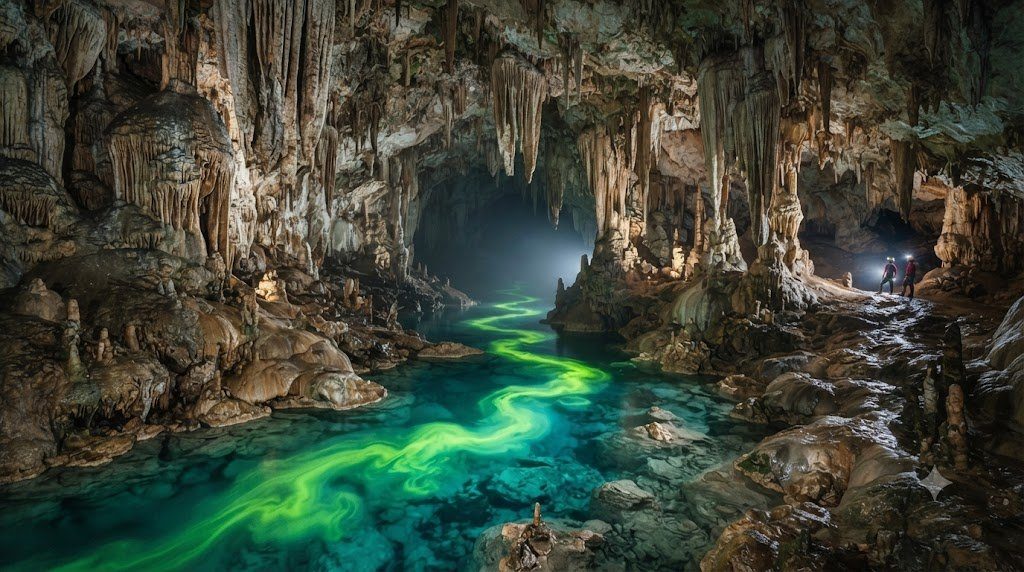
Karst Hydrogeology and Conduit Flow: Sinkhole Speleogenesis, Dye Tracing, and Subterranean Drainage

In standard granular aquifers (such as sand and gravel), groundwater moves at gentle, predictable Darcy seepage velocities of a few centimeters to a few meters per year. However, across approximately 20% of the world’s ice-free land surface, groundwater operates under a radically different, violent hydrodynamic regime: Karst Hydrogeology. Formed in soluble carbonate and evaporite rocks … Read more

Unconfined vs. Artesian Confined Aquifers: Potentiometric Surfaces, Recharge, and Over-Extraction Subsidence

The subterranean architecture of groundwater is not uniform. Depending on the geological layering of permeable sediments and impermeable rock strata, aquifers exist under two fundamentally different hydrodynamic states: Unconfined (Water Table) Aquifers and Confined (Artesian) Aquifers. Understanding the mechanical differences between these systems is essential for predicting well yields, locating contamination pathways, and preventing catastrophic … Read more

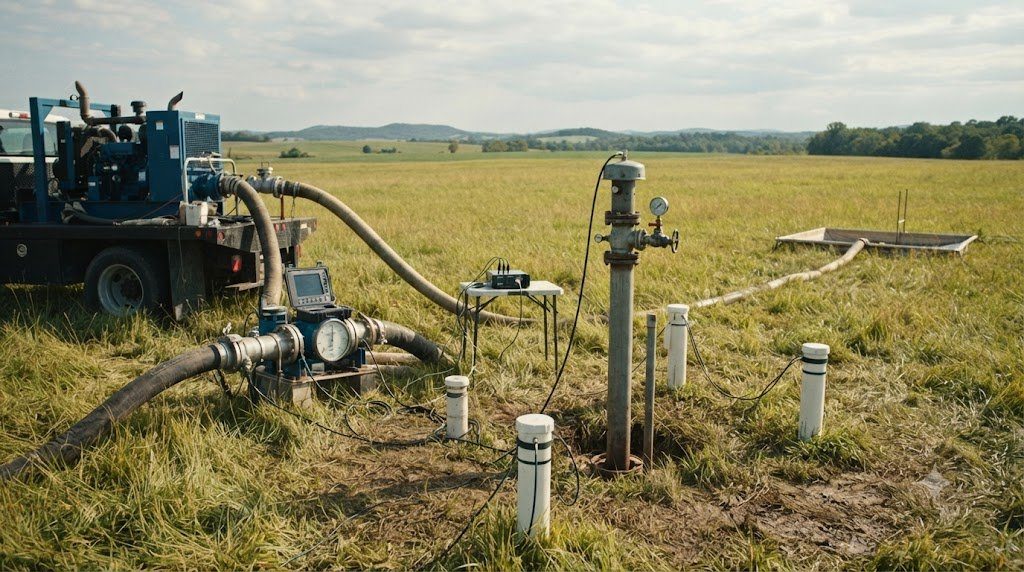
Darcy’s Law and Hydraulic Conductivity: Aquifer Pumping Tests, Transmissivity, and Storativity

Beneath the surface topography of continents lies Earth’s vastest accessible freshwater reservoir: groundwater. Containing over 98% of the liquid freshwater on our planet, groundwater sustains global agricultural irrigation, provides drinking water for billions of people, and maintains baseflow in rivers during prolonged droughts. Yet groundwater does not flow in wide, open subterranean caverns (except in … Read more

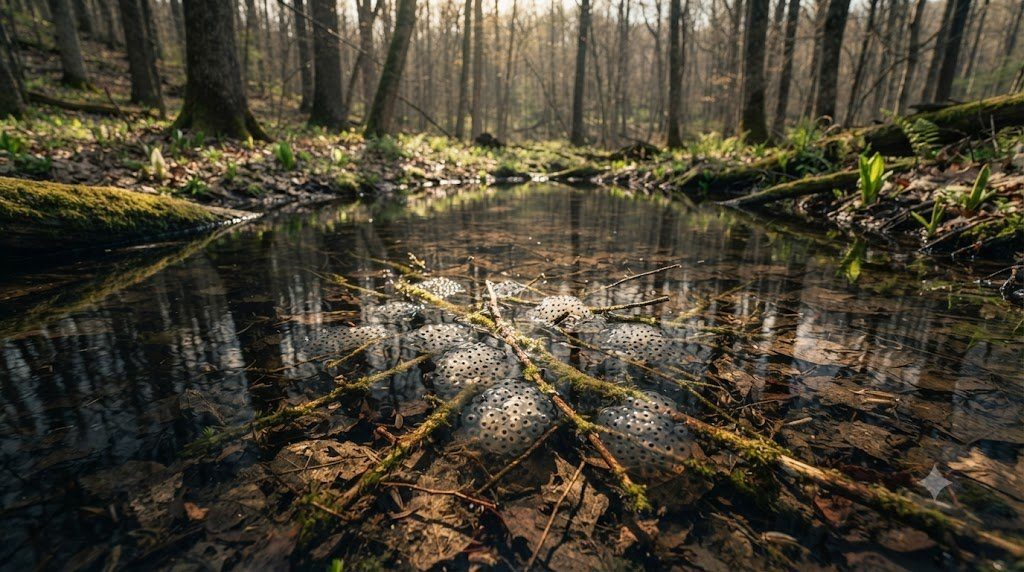
Vernal Pools and Ephemeral Wetland Hydrology: Hydroperiod Dynamics, Fairy Shrimp, and Amphibian Breeding

Hidden within temperate deciduous forests, Mediterranean grasslands, and pine flatwoods lie some of the most ecologically vital and hydrologically fragile freshwater habitats on the planet: Vernal Pools (Ephemeral Seasonal Wetlands). Filled by winter snowmelt, early-spring rains, and rising seasonal groundwater tables, vernal pools reach peak volume in April and May, only to completely desiccate into … Read more

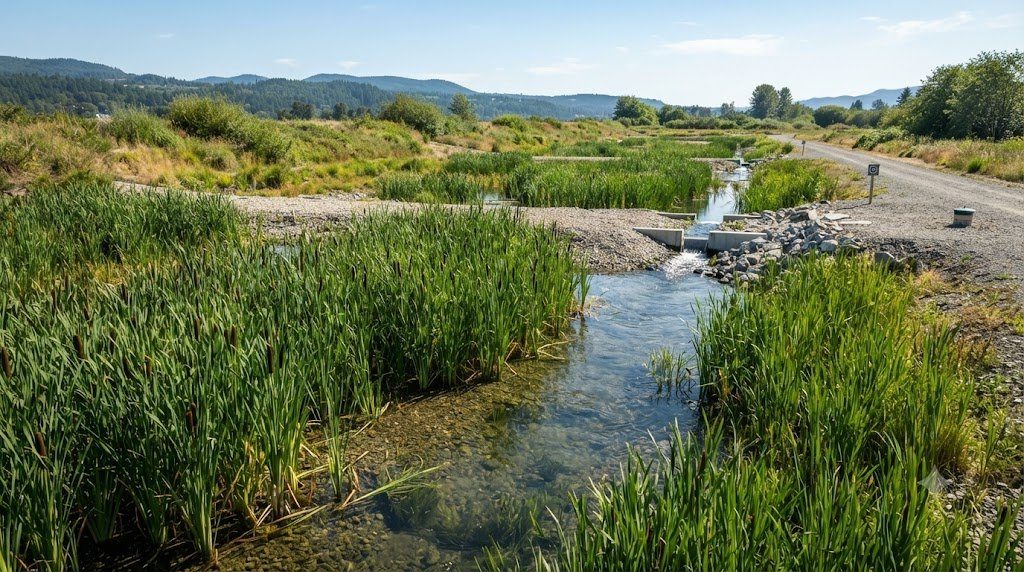
Constructed Treatment Wetlands: Subsurface Gravel Beds, Emergent Macrophytes, and Phytoremediation

As municipal wastewater treatment plants and industrial facilities face escalating chemical costs, energy demands, and strict nutrient discharge limits, civil engineers and aquatic limnologists have increasingly turned to nature’s most sophisticated biofilter: Constructed Treatment Wetlands (CTWs). Rather than relying on energy-intensive mechanical blowers and synthetic chemical coagulants, engineered wetlands harness the synergistic interactions of hydraulic … Read more

About FreshwaterLab

About FreshwaterLab

FreshwaterLab is your trusted source for practical advice, helpful guides and the latest news in freshwater hydrology, limnology, and watershed ecology. We aim to support ecologists, water managers, researchers, and environmental stewards with reliable, easy-to-understand information for a cleaner rivers, resilient wetlands, and sustainable water futures.

Learn More →
Expert Advice From experienced farmers
Practical Guides For better results
Trusted Information Always updated