Peatland Limnology and Sphagnum Ecology: Carbon Sequestration, Bogs, and Hydrological Buffers
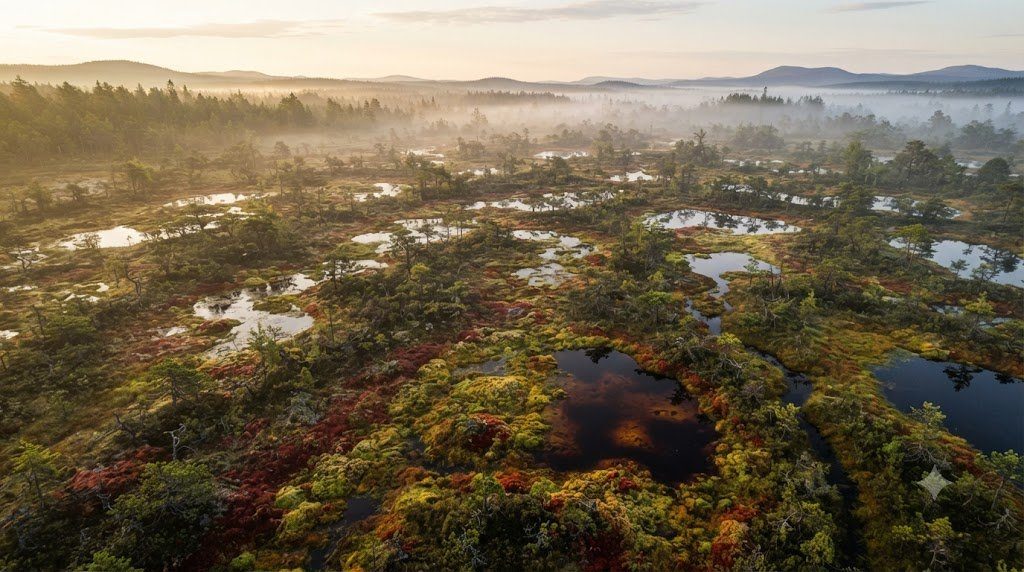
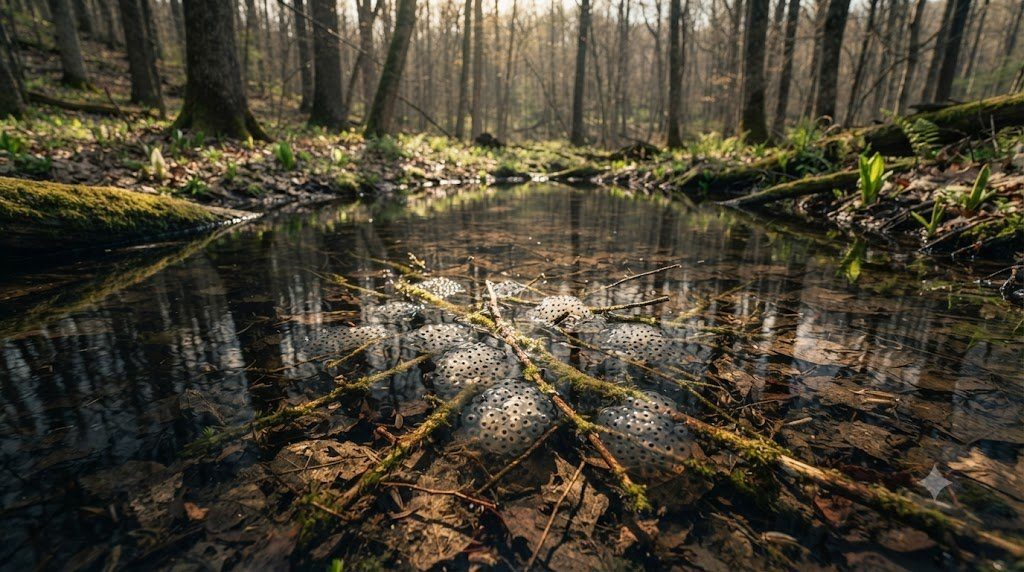
Covering merely 3% of the Earth’s terrestrial land surface, peatlands (mires) represent the undisputed heavyweight champion of global terrestrial carbon sequestration. Remarkably, these waterlogged, sponge-like ecosystems store over 550 to 600 gigatons of carbon—more than twice the carbon stored in the entire combined biomass of all the world’s forests! From the vast boreal peat basins … Read more
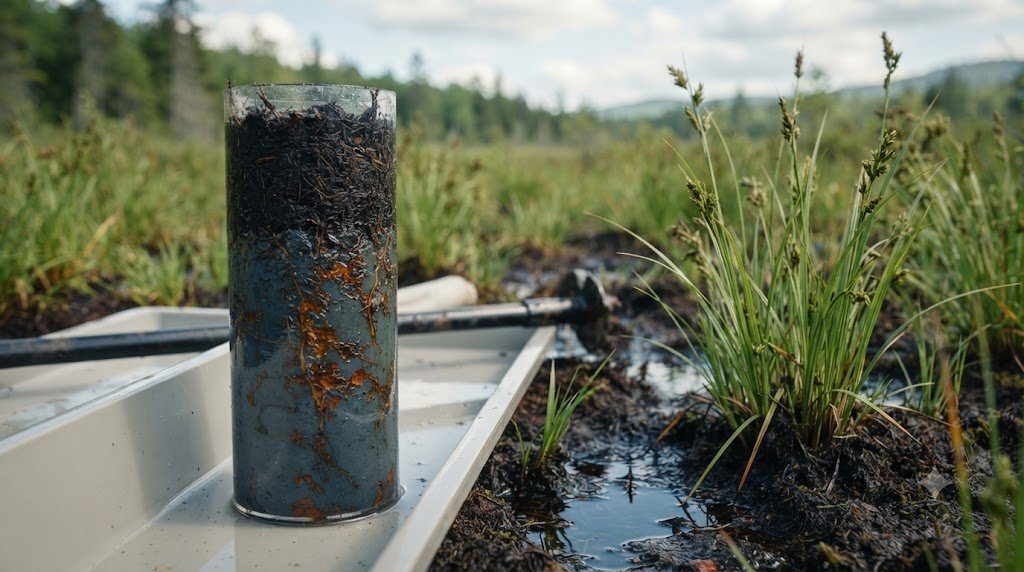
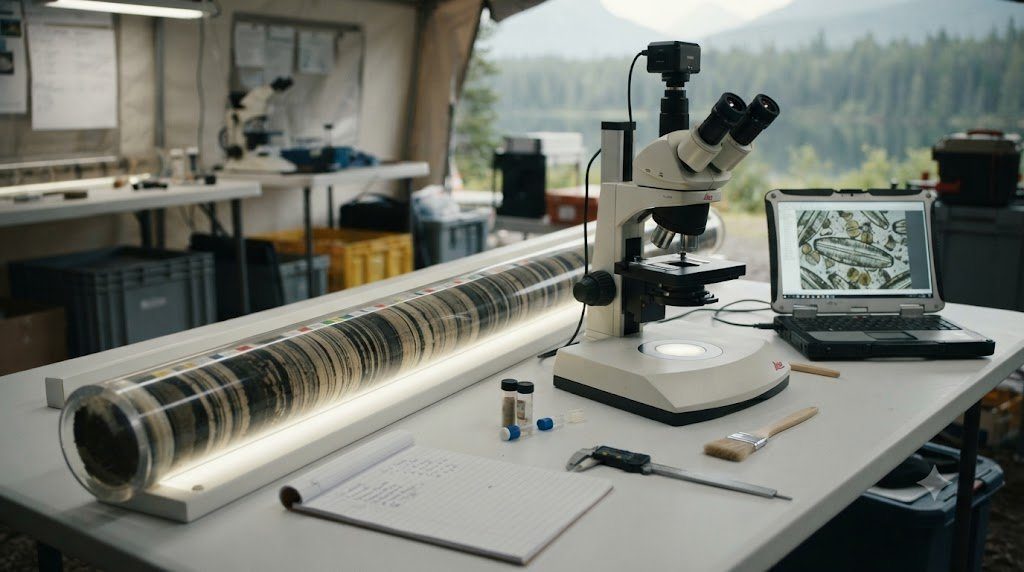
Hydric Soils and Anaerobic Redox Sequences: Iron Reduction, Methanogenesis, and Wetland Delineation

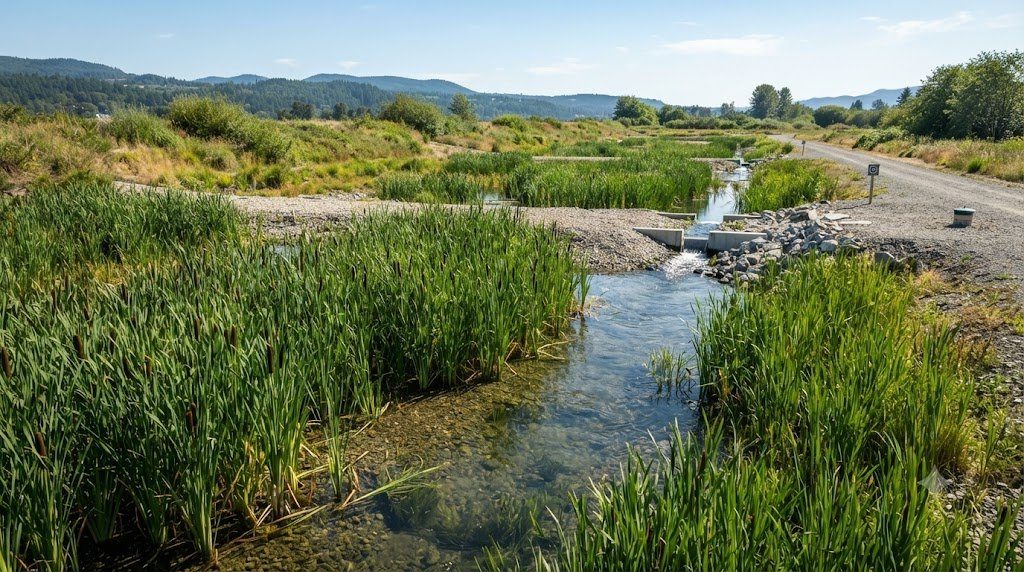
Wetlands occupy the dynamic ecotone between purely terrestrial landscapes and permanently inundated open waters. For centuries, civil engineers and agriculturalists viewed wetlands as mosquito-infested wastelands requiring drainage, ditching, and filling. Today, ecological science recognizes palustrine and riverine wetlands as Earth’s premier natural biofilters, carbon sinks, and flood-attenuation reservoirs. Yet legally defining where an upland ends … Read more

Paleolimnology and Lacustrine Sediment Coring: Diatom Stratigraphy and Historical Climate Reconstruction

Lakes are nature’s ultimate continuous environmental archives. From the day a lake basin is gouged out by a retreating Pleistocene glacier, excavated by a volcanic caldera explosion, or cut off as an oxbow on a river floodplain, every grain of atmospheric dust, every pollen grain blown from surrounding forest canopies, and the indestructible silica shells … Read more

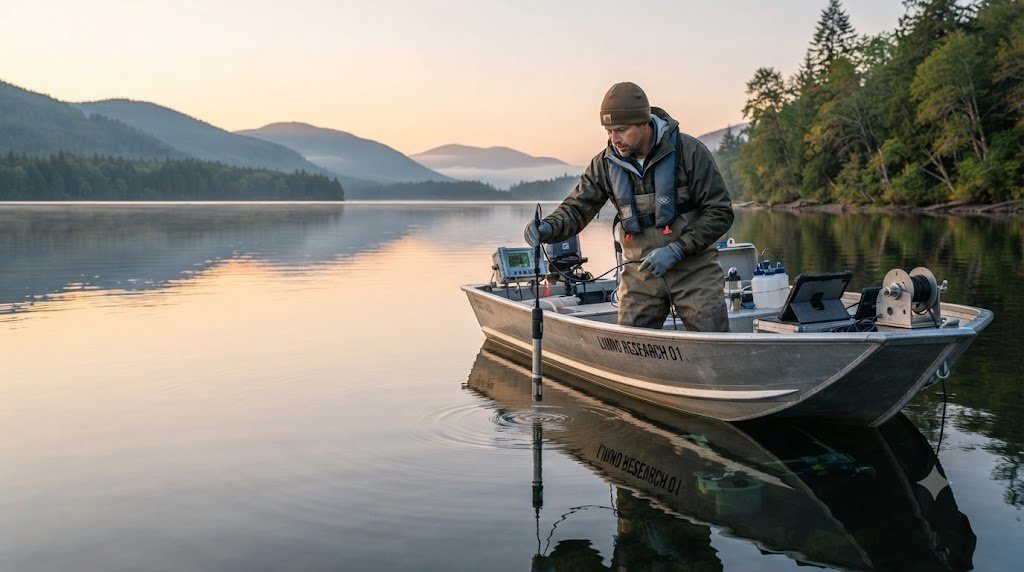
Dissolved Oxygen Profiles and Hypolimnetic Anoxia: Biochemical Oxygen Demand and Fish Kills

Of all chemical parameters measured in aquatic science, Dissolved Oxygen (DO) is the ultimate master variable. Oxygen concentration dictates the survival of aerobic aquatic organisms, governs the valence state of heavy metals and nutrients, and regulates whole-basin food webs. In terrestrial environments, oxygen availability is constant (~20.95% by volume, roughly 280 mg/L in air). In … Read more

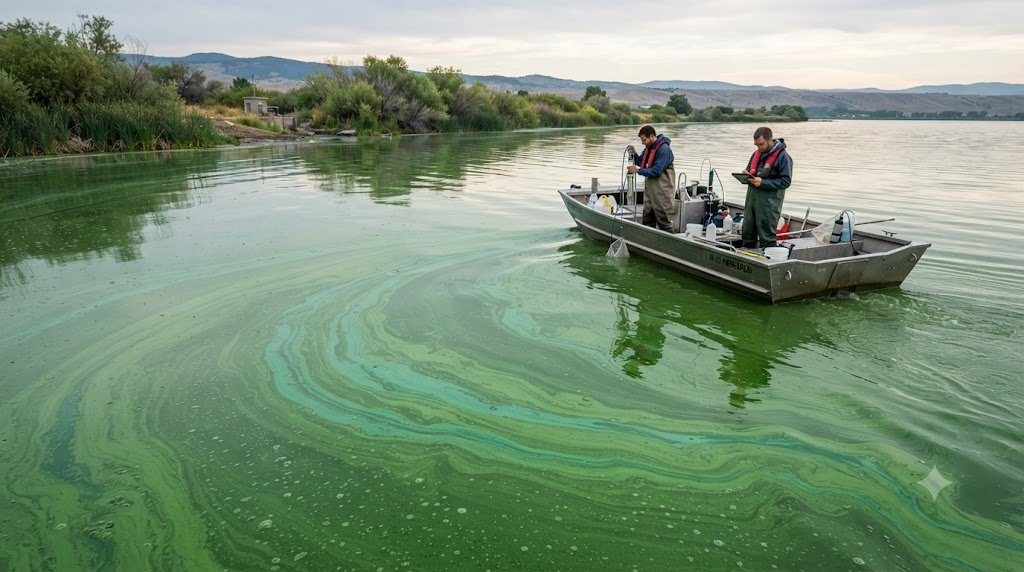
Eutrophication and Phosphorus Biogeochemistry: Internal Nutrient Loading and Cyanobacterial HABs

Across the globe, thousands of lakes that once boasted crystal-clear waters, diverse coldwater fisheries, and pristine shorelines have transformed into murky, pea-soup green cauldrons choked by toxic cyanobacterial scum. This process—cultural eutrophication—represents one of the most widespread environmental degradation crises of the Anthropocene. Driven by excessive anthropogenic inputs of bioavailable nutrients from agricultural fertilizer runoff, … Read more

Lacustrine Thermal Stratification: Epilimnion, Metalimnion, and Dimictic Turnover Kinematics

To an outside observer gazing across a tranquil lake on a hot August afternoon, the water appears as a single uniform body. Beneath that reflective surface, however, the lake is violently split into two completely isolated physical and chemical universes. Driven by the non-linear physics of water density, solar radiation, and wind kinetic shear, deep … Read more

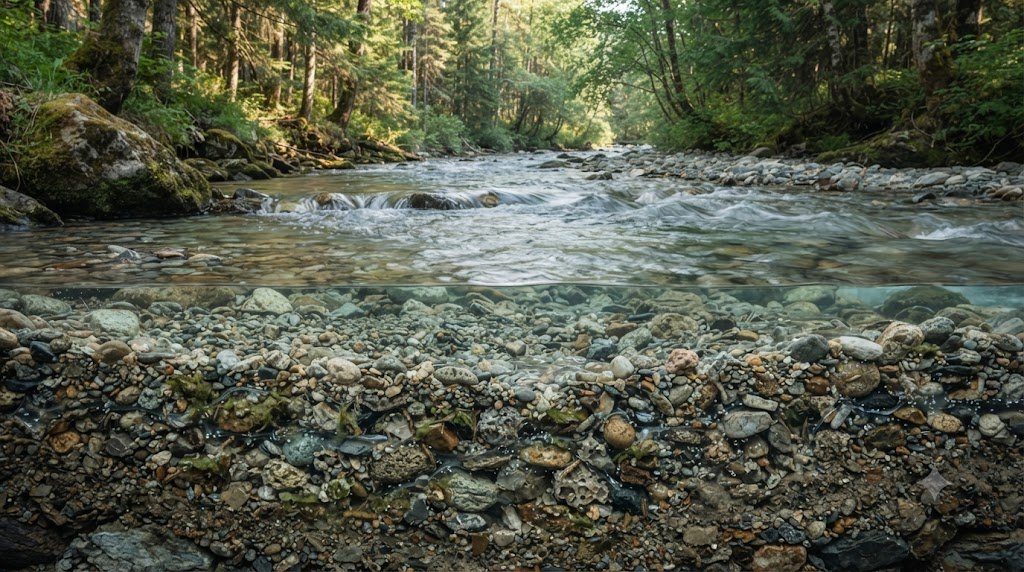
The Hyporheic Zone: Subsurface Fluvial Mixing, Biofiltration, and Interstitial Ecology

If you look at a gravel-bed river on a summer afternoon, you might assume that the entire ecosystem is contained within the surface water visible between the banks. In reality, a river is a three-dimensional entity: beneath the cobble bed and extending dozens of meters laterally beneath the riparian gravel terraces lies the Hyporheic Zone … Read more

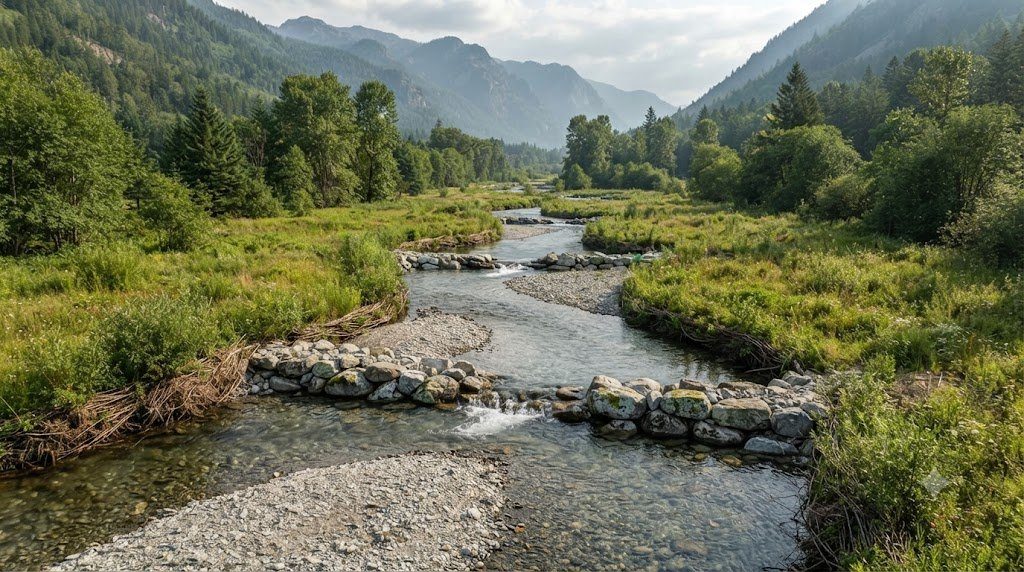
Rosgen Stream Classification and Natural Channel Design: Valley Morphology and Bank Stability

When rivers are subjected to human channelization—straightened, dredged, and armored with concrete rip-rap to expedite agricultural drainage or urban development—they almost universally destabilize. Stripped of their natural sinuosity, channelized rivers experience steepened gradients, escalated boundary shear stresses, and severe bed degradation (incised ‘gullying’), which drops groundwater tables and triggers massive bank collapses. In response to … Read more

Open-Channel Fluvial Hydraulics: Manning’s Equation, Shear Stress, and Sediment Transport Mechanics

Every physical feature of a natural river—from the deep, languid pools where trout seek thermal refuge to the turbulent, oxygenating white-water riffles where caddisflies anchor their nets—is an equilibrium expression of open-channel hydraulics. Unlike closed conduits where liquid moves under pressurized mechanical boundaries, open-channel flow occurs with a free liquid surface exposed directly to atmospheric … Read more

The River Continuum Concept: Longitudinal Gradients, Energy Dynamics, and Biotic Zonation

Rivers are not merely passive conduits channeling precipitation downhill to the world’s oceans; they are dynamic, continuous physical and biological gradients that evolve systematically from headwater springs to continental estuaries. In 1980, a landmark synthesis published by Dr. Robin L. Vannote and his colleagues revolutionized aquatic science: the River Continuum Concept (RCC). Prior to the … Read more

About FreshwaterLab

About FreshwaterLab

FreshwaterLab is your trusted source for practical advice, helpful guides and the latest news in freshwater hydrology, limnology, and watershed ecology. We aim to support ecologists, water managers, researchers, and environmental stewards with reliable, easy-to-understand information for a cleaner rivers, resilient wetlands, and sustainable water futures.

Learn More →
Expert Advice From experienced farmers
Practical Guides For better results
Trusted Information Always updated